Our Process
Step-by-step care for PET bottle recycling.
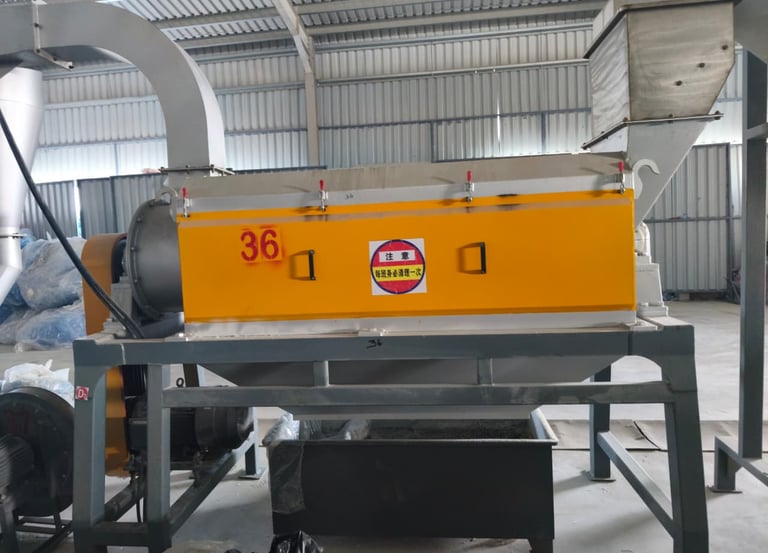
2. Label & Cap Removal
Before crushing, PET bottles undergo a dedicated label and cap separation process. During this stage:
PVC and BOPP labels are removed.
Bottle caps (typically HDPE or PP) are separated.
Adhesive residues are minimized.
This step is critical because label contamination can reduce the quality and clarity of recycled PET flakes. Efficient label removal improves the purity, color consistency, and market value of the final rPET material.
3. Crushing / Size Reduction
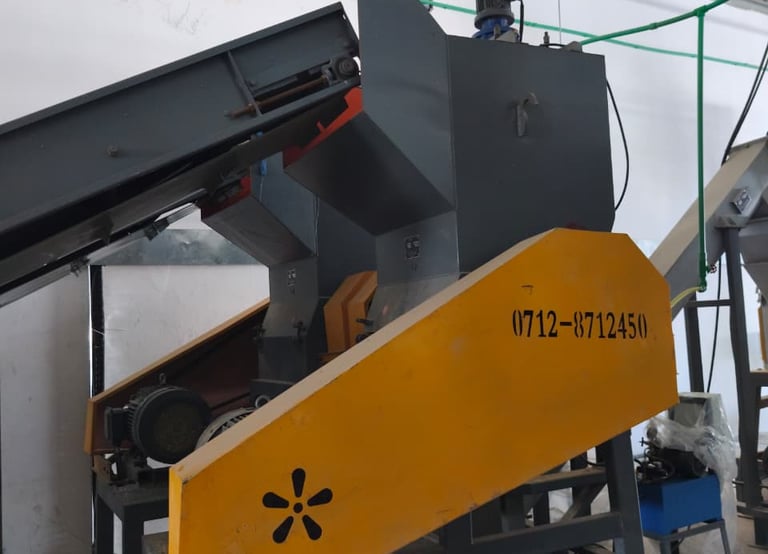
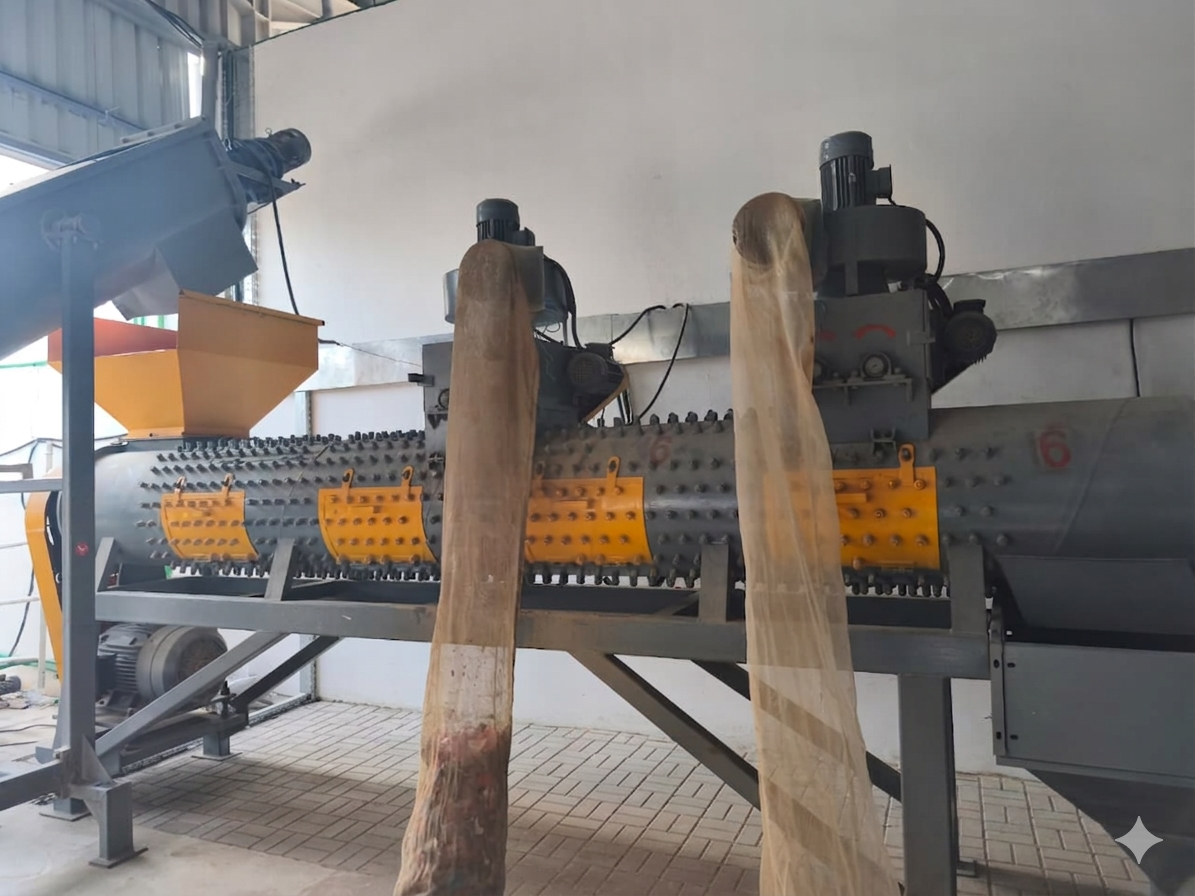
After sorting and label removal, the clean PET bottles are fed into industrial crushers or granulators. The bottles are shredded into uniformly sized PET flakes of approximately 10–12 mm. This size reduction increases the surface area, making the washing process more effective and ensuring deeper cleaning of contaminants
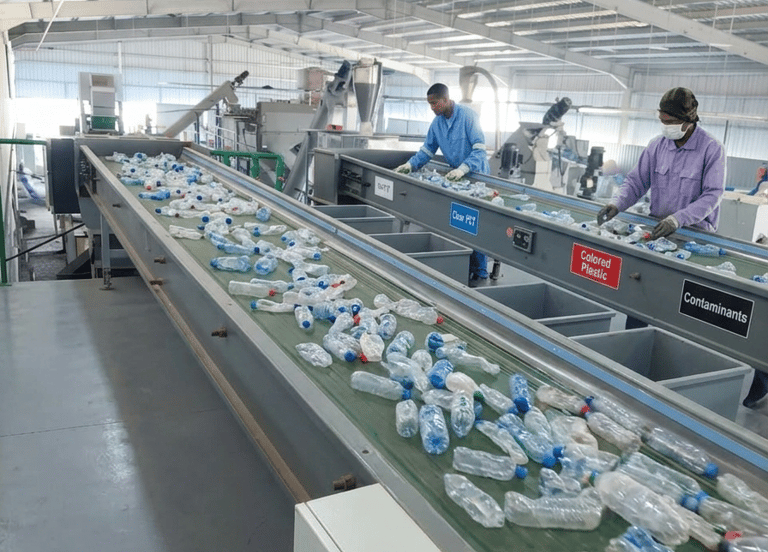
1. Collection & Initial Sorting
The PET recycling process begins with the collection of post-consumer and post-industrial PET bottles through waste management companies and sustainable collection networks. All incoming materials are carefully inspected and sorted to remove non-PET plastics such as HDPE, PVC, metals, glass, and other contaminants. Proper sorting at this stage ensures high-quality recycled PET output and reduces impurity levels in the final product.
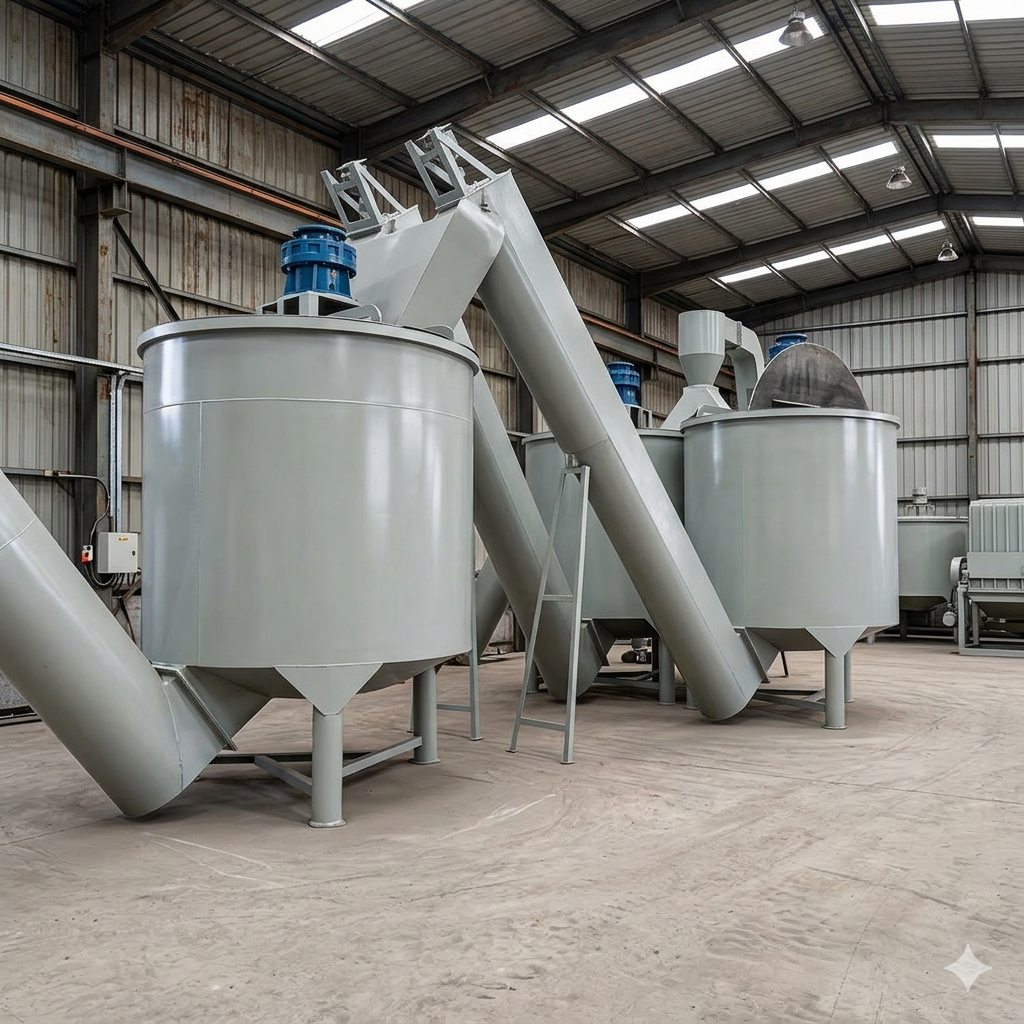
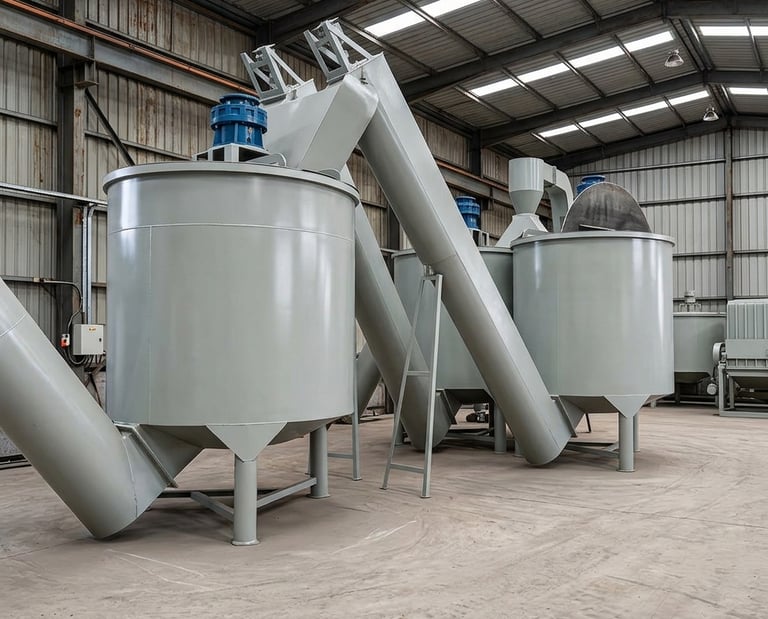
The Hot Washing process is a critical stage in PET recycling where PET flakes are washed using hot water at temperatures of around 80–90°C. During this process, detergents and agitation help remove stubborn contaminants such as glue, oils, dirt, and label residues from the PET flakes. This high-temperature cleaning ensures the flakes are thoroughly purified, improving the overall quality and cleanliness of the recycled PET material.
4. Cold Washing & Rinsing
5. Hot Washing Process
At Axiom Polymer, we use an advanced cold washing and rinsing process to clean PET bottle flakes. This step removes dirt, labels, and light impurities using cold water, ensuring the flakes are thoroughly cleaned and ready for the next stages of our recycling process.
6. Separation & Purification
Advanced separation techniques such as float-sink tanks are used to separate PET from lighter materials like HDPE and PP. Since PET sinks and other plastics float, this process ensures high polymer purity and enhances the quality of the recycled product. In some advanced recycling systems, approved cleaning agents and chemical treatments are also applied to further purify the material, helping meet strict quality standards required for food-grade recycled PET used in international markets such as the UK and Europe. ♻️🌱
8. Quality Control & Final Inspection
7. Drying System
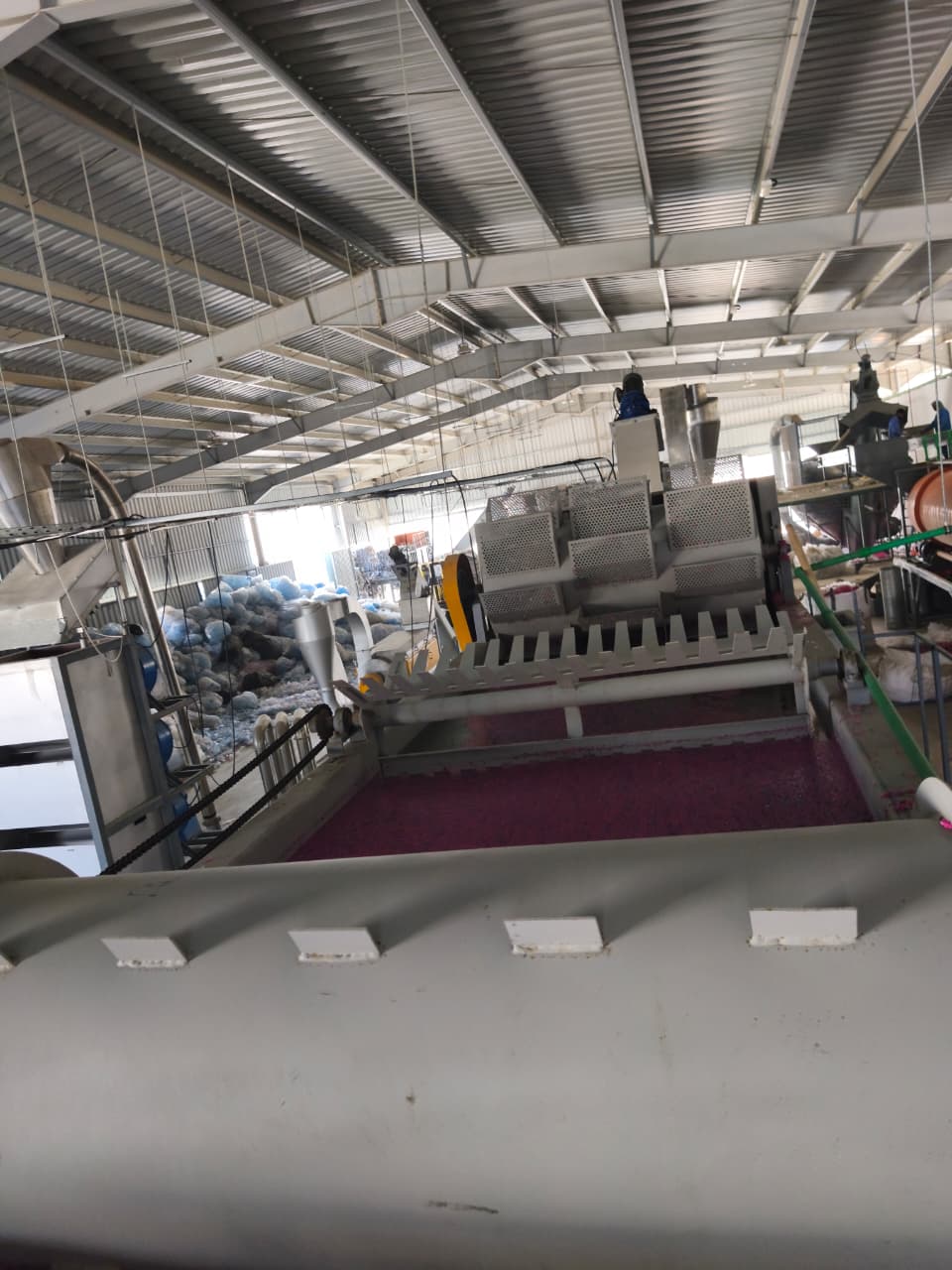
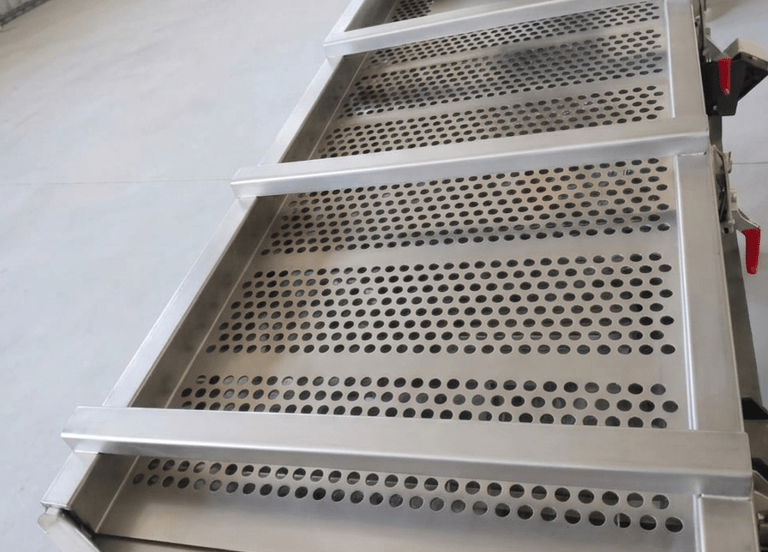
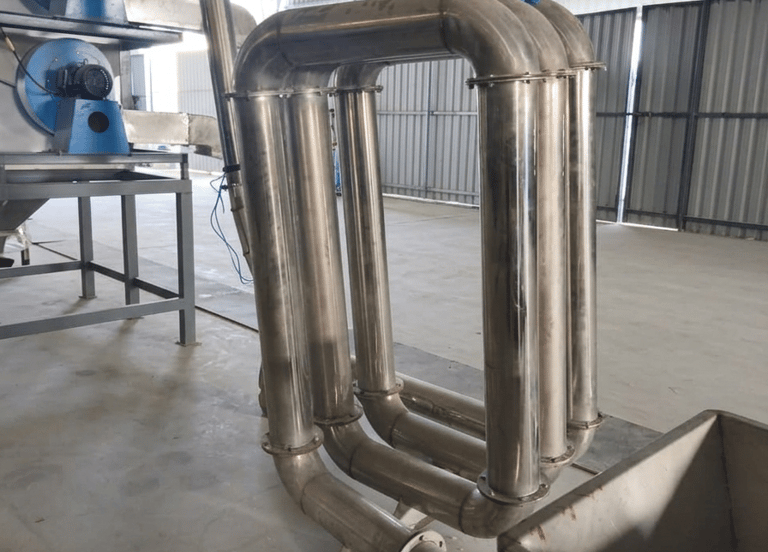
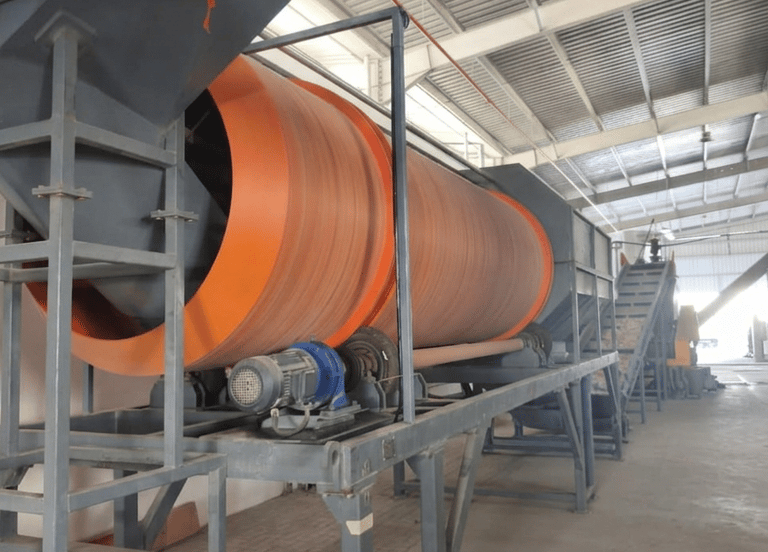
The washed PET flakes are processed through a high-efficiency drying system to remove moisture. The flakes travel through an approximately 15-meter drying line, ensuring thorough moisture removal. Maintaining low moisture levels is essential for manufacturers who use recycled PET flakes in fiber production, packaging, and strapping industries. ♻️🌱
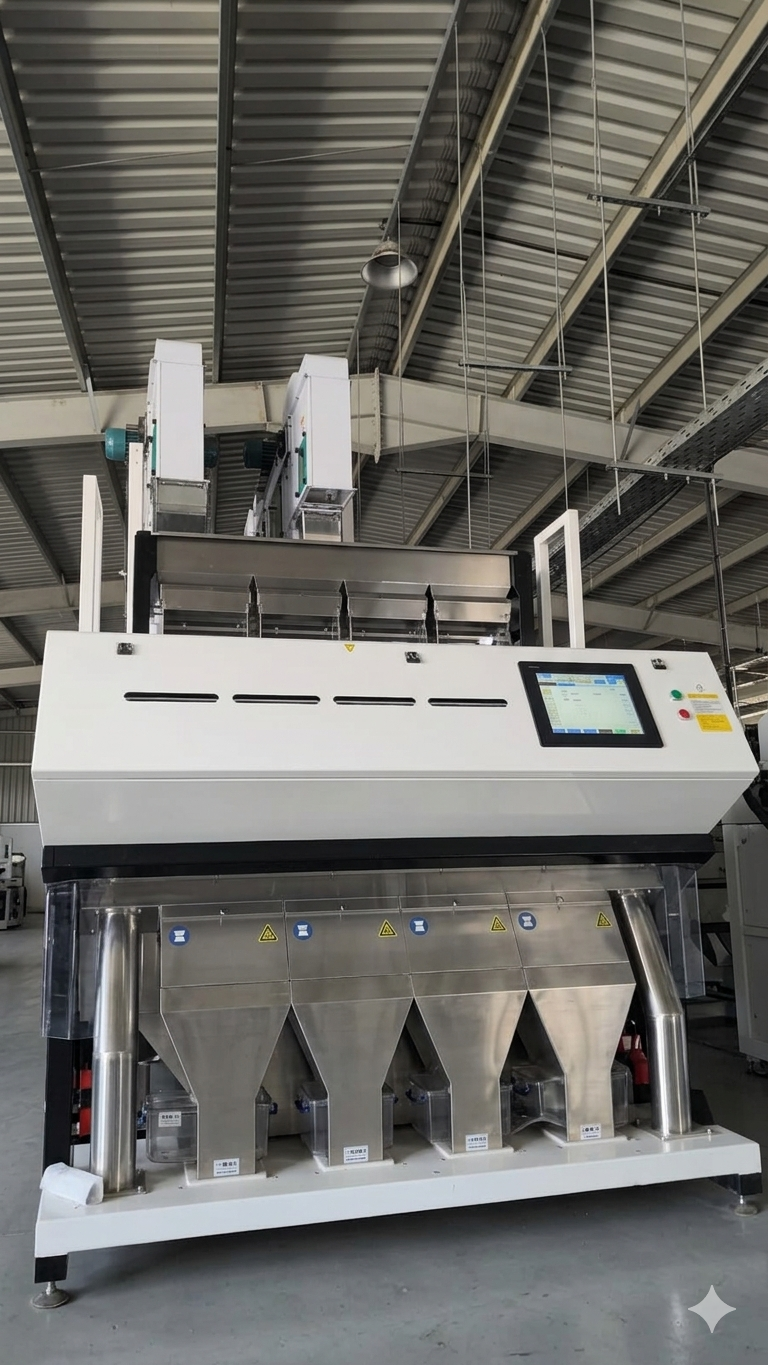
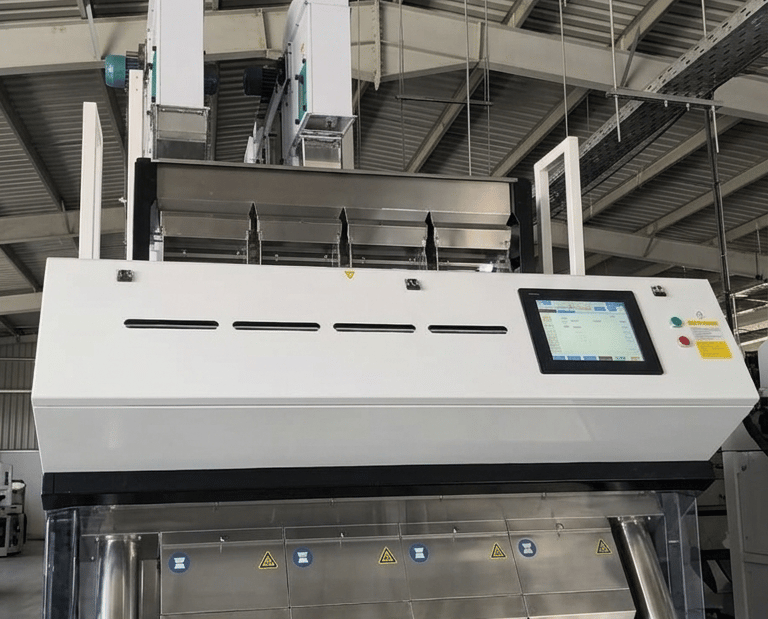
At Axiom Polymers, strict quality control procedures are followed. Each batch of recycled PET flakes is tested using advanced optical and sorter machines to ensure high purity and consistency. The flakes are checked for:
Moisture content
Contamination levels
Flake size consistency
Color uniformity
This ensures our customers receive reliable and consistent rPET material suitable for industrial manufacturing. ♻️🌱
9. Packaging & Supply
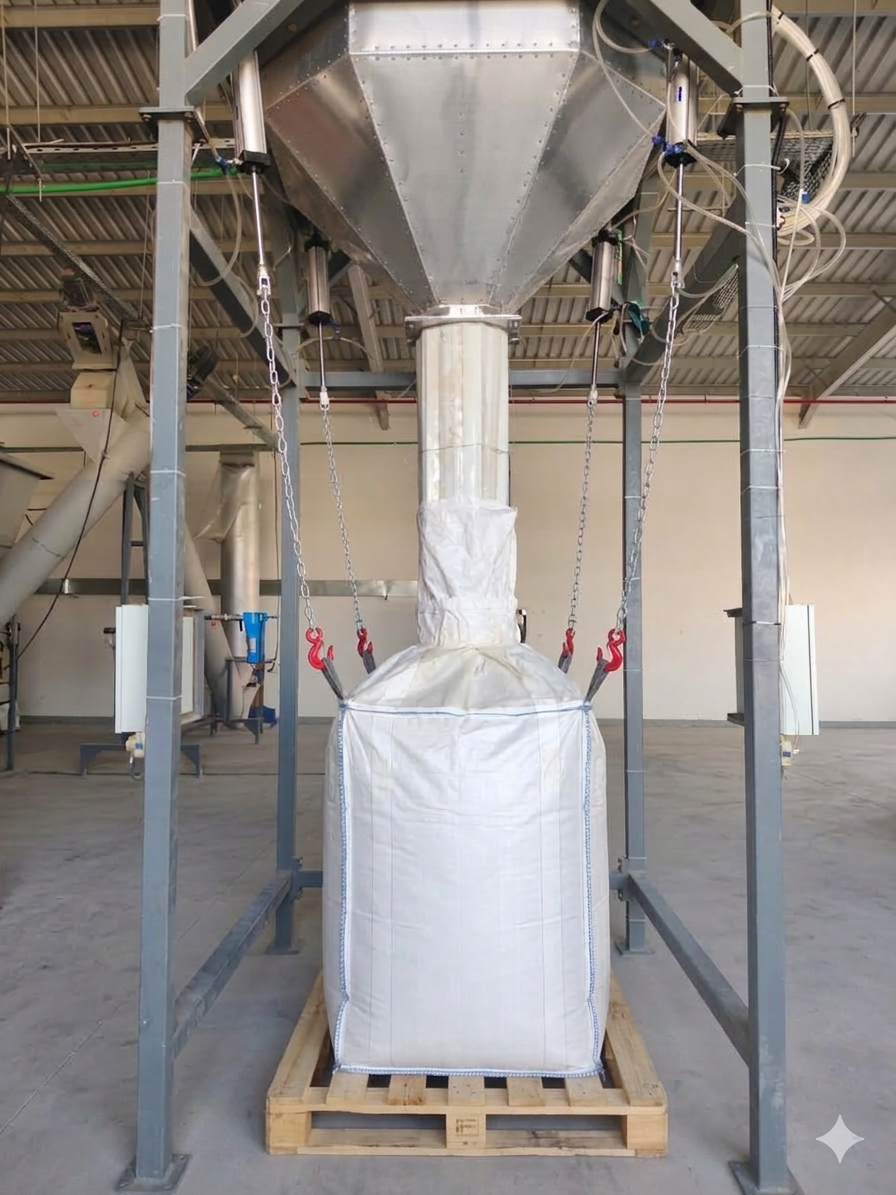
The final recycled PET flakes are securely packed and prepared for dispatch. The flakes are packed in super jumbo bags on pallets and secured with strapping to ensure safe transportation. Our products are supplied to manufacturers for applications such as:
Polyester fiber production
PET strapping
Packaging materials
Industrial plastic products ♻️🌱